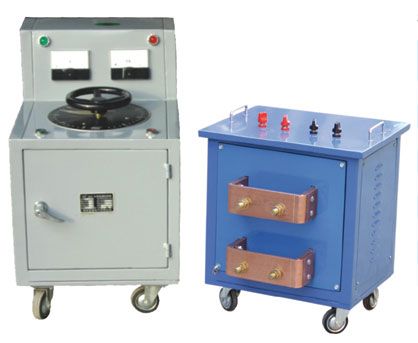
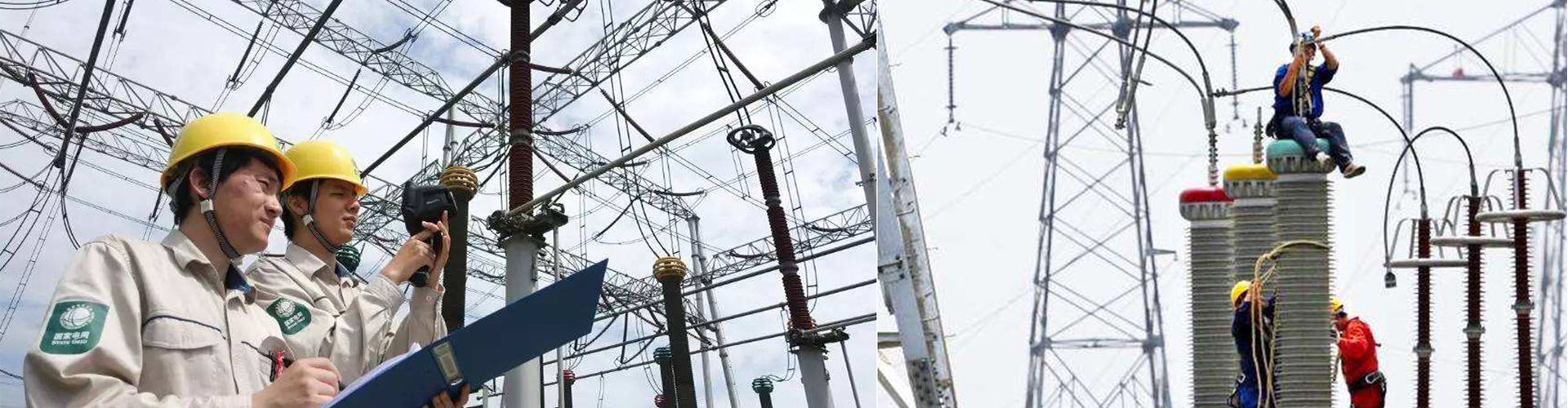
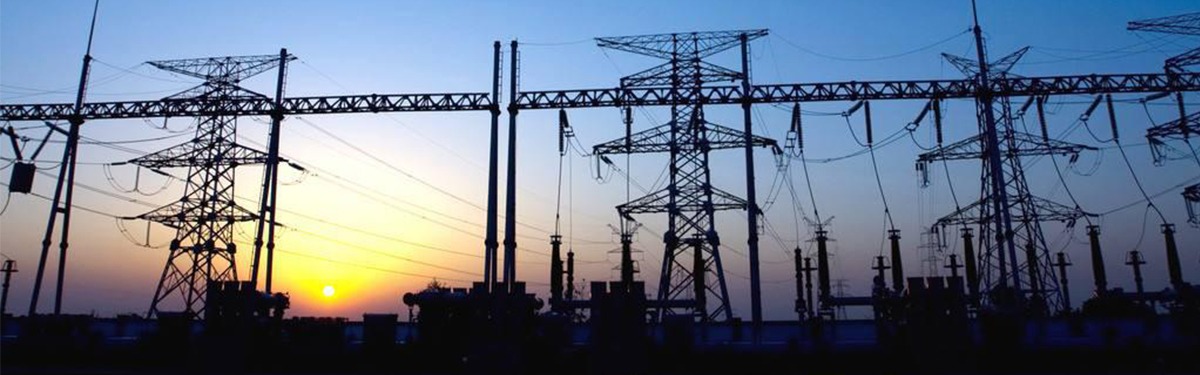
Partial Discharge (PD) refers to the phenomenon of discharge occurring in localized areas of the insulation system of electrical equipment when the voltage exceeds a certain threshold. This phenomenon may be a precursor to the aging or damage of insulation materials. Therefore, effective detection and analysis of partial discharge are crucial for the safe operation of power equipment. Handheld transformer partial discharge testers have been widely used in the power industry due to their portability and efficiency.
Characteristics of Handheld Partial Discharge Testers
Handheld partial discharge testers have the following notable features:
Portability: Small size and light weight, easy to carry to the site.
Multi-mode detection: Integrates multiple detection modes, such as ultrasonic detection, transient earth voltage detection, ultra-high frequency detection, etc.
Intuitive display: Equipped with a high-resolution display screen, capable of real-time display of detection results.
Data analysis function: Built-in software supports data recording, analysis, and report generation.
Easy operation: User-friendly interface, simple operation, no professional training required.
Importance of Partial Discharge Detection in Transformers
As one of the key equipment in the power system, the operational status of transformers directly affects the stability and safety of the power grid. Partial discharge detection can help engineers promptly identify potential insulation defects inside transformers, thereby taking corresponding preventive measures to avoid major failures.
Working Principle of Handheld Partial Discharge Testers
Handheld partial discharge testers typically use multiple detection technologies to capture signals generated by partial discharge:
Acoustic/Ultrasonic Detection: Uses ultrasonic sensors to capture acoustic signals generated by partial discharge.
Transient Earth Voltage (TEV) Detection: Detects partial discharge by measuring transient voltage changes on the equipment surface.
Ultra-High Frequency (UHF) Detection: Captures ultra-high frequency electromagnetic waves generated by partial discharge.
These detection technologies can be used individually or in combination to obtain more accurate detection results.
Practical Cases
Case 1: Partial Discharge Detection in Power Transformers
Background: A main transformer of a power company recently exhibited abnormal noise, and partial discharge was suspected.
Solution: Use a handheld partial discharge tester for on-site detection.
Steps:
Use ultrasonic detection mode to scan the transformer casing.
Analyze the detection results to determine the location of partial discharge.
Further use UHF detection mode to confirm the degree of discharge.
Result: Successfully located and quantified the partial discharge phenomenon, providing a basis for subsequent maintenance.
Case 2: Preventive Maintenance
Background: To reduce the failure rate of power transformers, a power company decided to conduct regular partial discharge detection on all its transformers.
Solution: Use handheld partial discharge testers for periodic detection.
Steps:
Regularly detect all transformers.
Record data from each detection and conduct trend analysis.
Develop corresponding maintenance plans based on the detection results.
Result: Through continuous monitoring, several potential fault events were successfully predicted and prevented, significantly improving the reliability and safety of the power system.
Conclusion
Handheld transformer partial discharge testers, as portable and efficient detection tools, play an important role in the maintenance and fault diagnosis of power systems. With technological advancements and continuous improvement of detection methods, these testers will play an even more significant role in the preventive maintenance of power equipment, helping to enhance the safety and reliability of the entire power grid.
I hope this article provides you with valuable information. If you need more details or have other specific questions, please feel free to let me know.