Technical Overview of High-Efficiency Microprocessor-Based Relay Protection Tester
Introduction
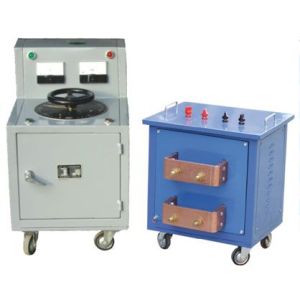
The microprocessor-based relay protection tester is a key device used to test the performance of relay protection devices in power systems. With the continuous expansion of power system scale and rapid technological development, the demand for high-efficiency microprocessor-based relay protection testers is increasing. This article will detail the technical characteristics, working principles, and applications of high-efficiency microprocessor-based relay protection testers in power systems.
Technical Characteristics
High-Precision Signal Source
Multi-channel output: Provides multiple independent voltage and current output channels, each channel can be independently adjusted.
High resolution: The output signal has high resolution, ensuring the accuracy of test results.
Wide frequency band: Supports a frequency range from DC to hundreds of hertz, suitable for various test scenarios.
Fast Data Acquisition
High-speed sampling: Uses high-speed ADC (Analog-to-Digital Converter) for high-speed data acquisition.
Real-time processing: Can process collected data in real-time, providing immediate feedback.
Intelligent Test Software
Graphical interface: User-friendly, with graphical interface for test configuration and result display.
Automated testing: Supports automated test scripts, simplifying complex test procedures.
Data analysis: Built-in powerful data analysis functions to help users quickly interpret test results.
Flexible Interfaces
Multiple communication interfaces: Supports USB, LAN, and other communication interfaces for easy connection with other devices.
Expandability: Supports hardware and software expansion to meet different testing needs.
Safety
Overvoltage protection: Built-in overvoltage protection to prevent damage to the device under test during testing.
Emergency stop: Equipped with an emergency stop button to ensure operator safety.
Working Principle
Signal Generation
Analog signals: Generates analog voltage and current signals through a built-in signal generator.
Digital control: Uses a microprocessor to control the amplitude, frequency, and phase of the signals.
Data Acquisition and Analysis
Signal capture: Captures the response signals of the device under test through high-speed ADC.
Data analysis: Uses built-in software for data analysis to evaluate the performance of protection devices.
Automated Testing
Test scripts: Write test scripts to simulate various fault conditions.
Result output: Automatically generates test reports after testing, including waveform diagrams and data analysis results.
Application Cases
Power System Maintenance
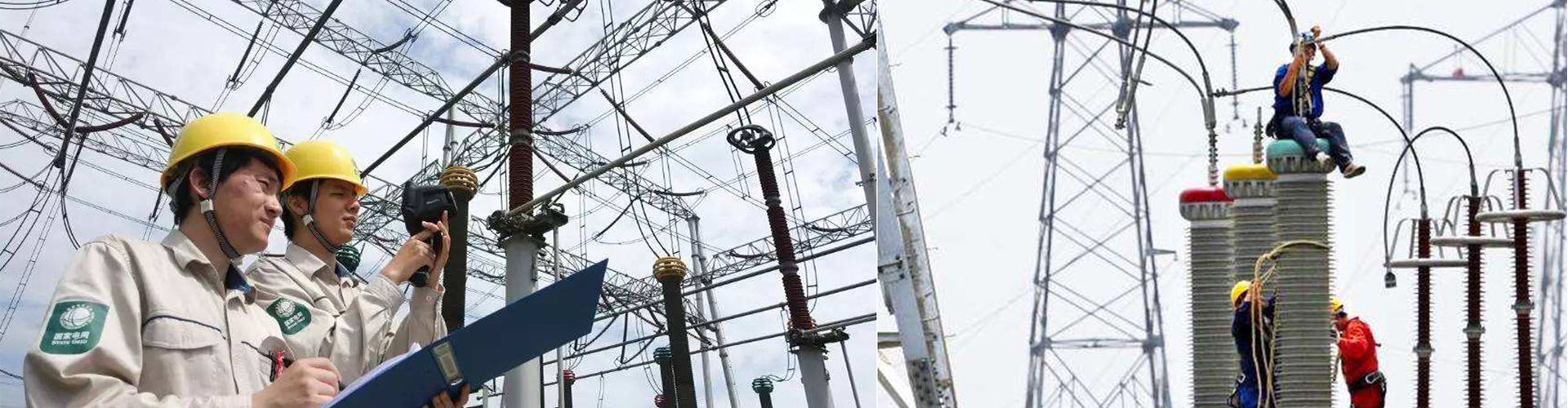
Relay testing: Regularly perform performance tests on relays in power systems to ensure their reliability.
Fault simulation: Simulate various fault conditions to verify the response speed and accuracy of the protection system.
Education and Training
Teaching demonstration: Used as a teaching tool in power engineering education to help students understand relay protection principles.
Skill training: Provides practical operation training for power engineers to improve fault diagnosis capabilities.
Research and Development Testing
New product validation: Test during product development to ensure new products meet design requirements.
Aging test: Simulate long-term operating conditions to evaluate the aging degree of equipment.
Conclusion
The high-efficiency microprocessor-based relay protection tester is an important tool for power system maintenance and fault diagnosis. By adopting advanced signal processing technology and intelligent software, these testers can provide accurate and timely test results, helping maintenance personnel discover and solve problems promptly, thereby ensuring the safe and stable operation of the power system. With continuous technological advancement, future testers will become more intelligent, providing more valuable data analysis functions and further improving the reliability and efficiency of power systems.
I hope this article helps you understand the technical characteristics of the high-efficiency microprocessor-based relay protection tester and its applications in power systems. If you need more detailed information or content on other aspects, please feel free to let me know!