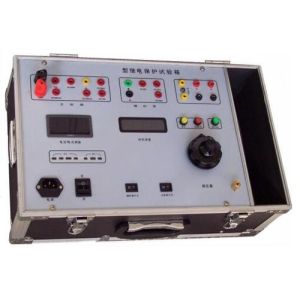
A power quality analyzer is a professional instrument used to measure and analyze the quality of electrical energy in a power system. This type of instrument can provide detailed measurement results of electrical parameters, helping to assess the operational status of the power grid. Below is an overview of an article about power quality analyzers.
Power Quality Analyzer
Overview
A power quality analyzer is a professional instrument used to measure and analyze the quality of electrical energy in a power system. It can provide detailed measurement results of electrical parameters, helping to assess the operational status of the power grid, ensuring the stability and reliability of the power system.
Main Functions
Electrical Parameter Measurement: Includes basic electrical parameters such as voltage, current, frequency, and power factor.
Harmonic Analysis: Analyzes the harmonic content in the power system and evaluates the impact of harmonics on the power grid.
Waveform Capture: Captures voltage and current waveforms for further analysis.
Event Recording: Records events such as voltage sags, swells, and interruptions.
Data Storage and Transmission: Built-in memory to save measurement data and transmit data via USB or wireless network.
Working Principle
The power quality analyzer obtains voltage and current signals through built-in voltage transformers and current transformers, then processes these signals digitally through a high-speed processor to calculate various electrical parameters. Additionally, it can perform Fourier transform on voltage and current waveforms to analyze harmonic content.
Usage Steps
Connect the Device: Connect the power quality analyzer to the circuit under test.
Set Parameters: Set measurement parameters as needed, such as measurement time and sampling frequency.
Start Measurement: Start the measurement program, and the instrument automatically completes the measurement process.
Data Reading: Read the measurement results from the display screen.
Data Analysis: Perform data analysis through built-in software or external computer software.
Technical Features
High Precision: Uses high-precision voltage and current sensors to ensure the accuracy of measurement results.
Multi-functionality: In addition to basic electrical parameter measurement, it can also perform advanced functions such as harmonic analysis and waveform capture.
Intelligent Analysis: Built-in intelligent algorithms can automatically identify abnormal conditions and provide analysis reports.
Portable Design: Compact size, lightweight, easy to carry and use on-site.
Application Scenarios
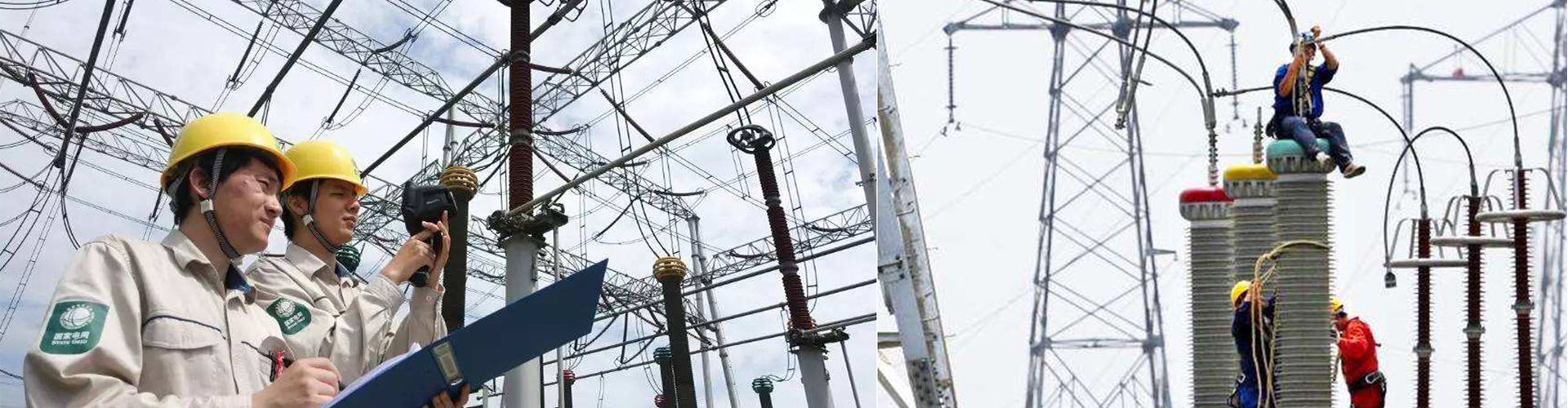
Power System Maintenance: Regularly conduct power quality analysis on the power system to ensure the stable operation of the power grid.
Fault Diagnosis: When abnormalities occur in the power system, use the power quality analyzer to find the cause of the problem.
Quality Inspection: Newly installed or renovated power equipment needs to undergo acceptance testing with a power quality analyzer.
Precautions
Safe Operation: Follow safety regulations to ensure the safety of personnel and equipment.
Correct Connection: Connect the power quality analyzer and the device under test correctly according to the instructions.
Environmental Factors: Pay attention to conditions such as temperature and humidity in the test environment to ensure the accuracy of test results.
Conclusion
The power quality analyzer is an important tool in power system maintenance and fault diagnosis. By providing detailed measurement results of electrical parameters, it can effectively assess the operational status of the power system, ensuring its stability and reliability.
The above is an overview of the power quality analyzer. If you need more detailed information or an introduction to a specific model, please let me know your specific requirements.