A handheld partial discharge detector is a portable device used for partial discharge detection, widely applied in preventive maintenance and fault diagnosis of power systems. This instrument can detect partial discharge phenomena inside power equipment, helping engineers identify potential problems in a timely manner, thereby preventing equipment failures. Below is an overview of an article about handheld partial discharge detectors:
Handheld Partial Discharge Detector: Portable Partial Discharge Detection Solution
Introduction
Partial discharge is one of the common electrical fault phenomena in power equipment, which can indicate potential faults and even lead to complete equipment failure. As a portable detection tool, the handheld partial discharge detector enables power engineers to quickly and accurately detect partial discharge phenomena on-site, allowing them to take preventive measures.
Working Principle
The handheld partial discharge detector primarily works by capturing signals such as electromagnetic waves, ultrasonic waves, or ground waves generated during partial discharge inside power equipment. These signals are received by built-in sensors, then amplified and filtered by signal processing circuits, and finally displayed on the screen for user analysis.
Main Features
Portability: Compact and lightweight, easy to carry to various inspection sites.
Multi-mode Detection: Supports multiple detection modes, such as ultrasonic detection, ground wave detection, and ultra-high frequency detection.
Intelligent Analysis: Built-in intelligent analysis software can automatically identify and analyze partial discharge signals.
Real-time Display: Detection results can be displayed on the screen in real-time, facilitating on-site decision-making.
Data Recording: Can store detection data for subsequent analysis and report generation.
Application Scenarios
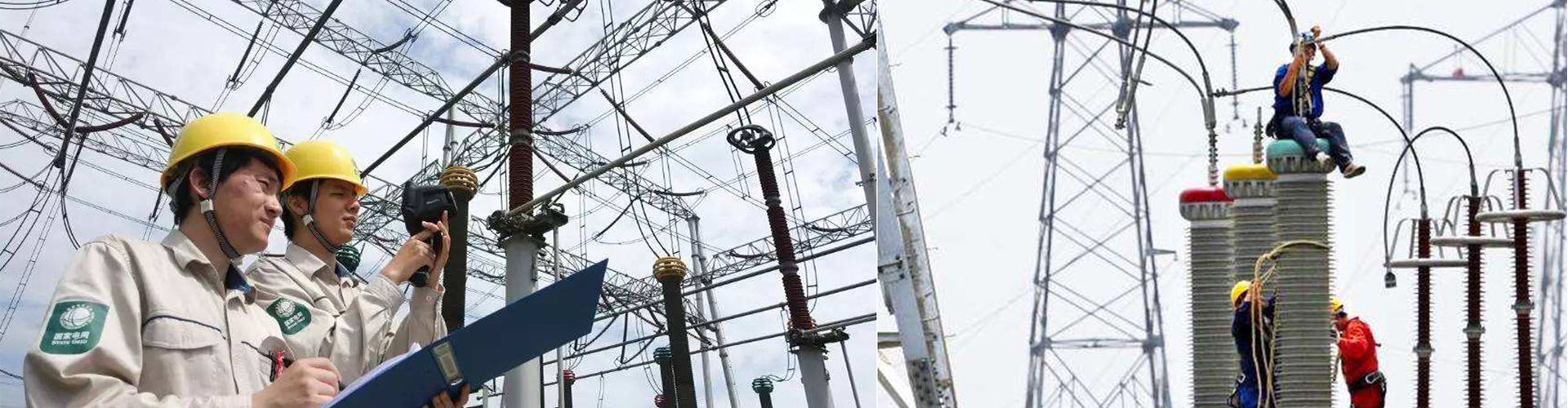
Power Equipment Testing: Suitable for partial discharge detection of power equipment such as transformers, switchgear, cable terminations, and GIS combined appliances.
Preventive Maintenance: Through regular testing, helps predict equipment faults and achieve preventive maintenance.
Fault Diagnosis: When equipment abnormalities occur, it can quickly locate the fault source and reduce downtime.
Usage Method
Preparation: Ensure the handheld partial discharge detector has sufficient battery and select the appropriate sensor based on the detection target.
Sensor Installation: Place the sensor at an appropriate position on the equipment to be tested, ensuring good contact.
Signal Acquisition: Turn on the detector and follow the operating guide to acquire signals.
Data Analysis: Use the built-in software to analyze the collected data and assess the degree of partial discharge.
Report Generation: Generate a detection report based on the analysis results and provide maintenance recommendations.
Technology Development Trends
Intelligence: Integrating artificial intelligence technology to improve analysis accuracy and efficiency.
Multi-function Integration: In addition to basic partial discharge detection, it may also integrate other detection functions.
Remote Monitoring: Supports wireless transmission, enabling remote monitoring and data analysis.
Conclusion
As an important tool in power equipment maintenance, the handheld partial discharge detector's portability and multifunctionality make it an ideal choice for preventive maintenance and fault diagnosis. With technological advancements, future handheld partial discharge detectors will become more intelligent and efficient, better serving the safe operation of power systems.
I hope this overview of the article about handheld partial discharge detectors provides you with valuable reference. If you need more detailed information or have specific technical questions, please feel free to let us know.