Overview of Partial Discharge Tester
1. Definition and Function
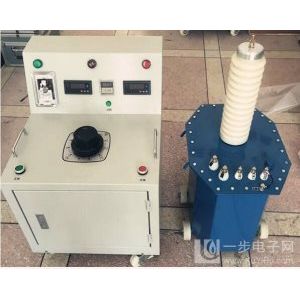
A partial discharge tester is a professional detection device used to measure partial discharge phenomena inside high-voltage equipment (such as transformers, cables, switchgear, etc.). Partial discharge is one of the early signs of insulation material aging or damage in high-voltage equipment. By detecting these phenomena, equipment problems can be identified in advance and preventive measures can be taken.
2. Working Principle
The working principle of a partial discharge tester is to detect partial discharge by capturing and analyzing the electromagnetic signals generated by partial discharge. These signals can be captured through several different methods, including but not limited to:
Pulse current method: Measures by detecting the current pulses caused by partial discharge.
Radio interference voltage method: Measures the electromagnetic radiation caused by partial discharge.
Ultrasonic detection method: Uses ultrasonic sensors to capture the ultrasonic signals generated by partial discharge.
Optical detection method: Uses spectral analysis technology to detect the light signals generated by partial discharge.
3. Features and Advantages
High sensitivity: Can detect very weak discharge signals.
Strong anti-interference capability: Uses advanced anti-interference components and unique gate display circuits to reduce the impact of external noise.
Multiple display modes: Can display graphical and numerical information of discharge pulses for easy analysis.
Portability: Handheld and portable designs for convenient on-site use.
Non-invasive detection: Can perform detection without physical contact with the equipment.
Accurate positioning: Can precisely locate the position of partial discharge for easy maintenance and repair.
4. Application Fields
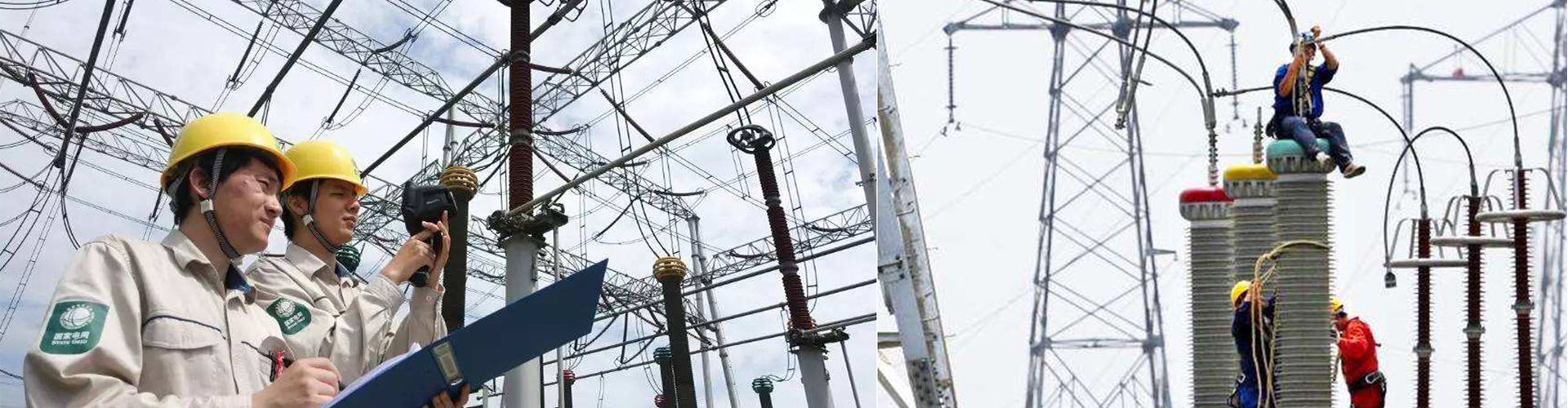
Power systems: Used to detect partial discharge conditions in power equipment such as transformers, switchgear, and cable terminations.
Substations: Monitors equipment in substations to prevent faults.
Laboratory testing: Evaluates the quality and performance of power equipment in a laboratory environment.
Equipment maintenance: Monitors equipment status during routine maintenance to predict potential issues.
5. Usage Steps
Power on and warm up: Turn on the instrument power and wait for the warm-up to complete.
Set parameters: Adjust the instrument settings according to test requirements, such as selecting the appropriate frequency range.
Perform detection: Hold the instrument, point it at the equipment to be tested, and listen for beeping sounds or observe the waveform on the display.
Locate and record: If abnormal signals are found, locate them according to the instrument's instructions and record relevant information.
Make a plan: Based on the detection results, formulate a follow-up monitoring cycle plan.
6. Precautions
Safe operation: Ensure all safety measures are in place before conducting tests.
Regular calibration: Calibrate the instrument regularly to ensure the accuracy of test results.
Professional training: Operators should receive professional training and be familiar with the use of the instrument.
7. Summary
Partial discharge testers are crucial for ensuring the safe operation of power systems. Through regular detection and maintenance, major accidents caused by partial discharge can be effectively avoided, improving the reliability and service life of power equipment.
Please note that the above content is an overview based on existing information. If you need more detailed technical parameters, application scenarios, or purchase suggestions, please refer to the manufacturer's materials or consult professionals in the relevant field.