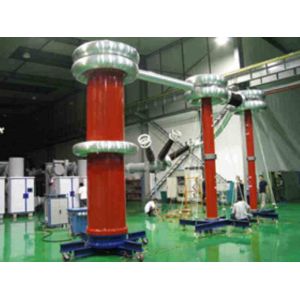
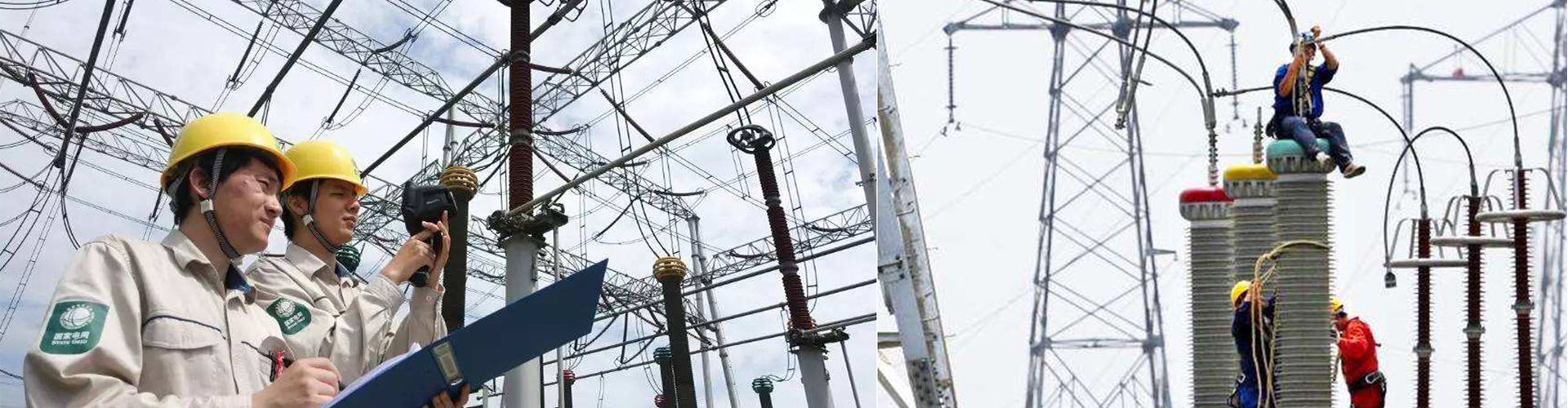
Of course. The transformer partial discharge tester is an important tool used to monitor and evaluate the health status of power transformers. Below is an overview of an article about the transformer partial discharge tester:
Transformer Partial Discharge Tester: Guardian of Power System Safe Operation
Introduction
Transformers are crucial components in the power system, and their operating status directly affects the safety and stability of the power grid. Partial discharge (PD) is a common early fault phenomenon in transformer insulation systems. By conducting partial discharge tests on transformers, major accidents can be effectively prevented. This article will introduce the working principle, importance, and correct usage of the transformer partial discharge tester.
Basic Concepts of Partial Discharge
Partial discharge refers to a localized charge release phenomenon that occurs in the insulation system of power equipment due to voltage effects. This phenomenon can cause gradual deterioration of insulation materials, and if not controlled, may lead to serious equipment failures.
Working Principle of the Tester
Transformer partial discharge testers typically use the following detection techniques:
Ultrasonic detection: Detects discharge conditions by measuring ultrasonic signals generated during partial discharge.
Ground wave detection: Uses ground wave sensors to capture high-frequency current pulses generated during partial discharge.
Ultra-high frequency detection: Uses ultra-high frequency (UHF) sensors to receive high-frequency electromagnetic waves generated by internal partial discharge in transformers.
Chemical detection: Detects changes in gas composition produced during partial discharge, such as hydrogen and methane.
Importance
Early warning: Can detect potential insulation defects before serious equipment failures occur.
Preventive maintenance: Through regular testing, preventive maintenance strategies can be implemented to extend equipment life.
Reduced downtime: Timely detection and resolution of issues avoid prolonged power outages caused by sudden failures.
How to Choose the Right Tester
When selecting a transformer partial discharge tester, the following aspects need to be considered:
Detection range: Different models of testers have different frequency detection ranges.
Sensitivity: High sensitivity helps capture weak partial discharge signals.
Portability: For occasions requiring frequent movement, choosing a portable design is more appropriate.
Data analysis capability: Built-in analysis software helps users interpret test results more easily.
Operating Steps
Preparation: Ensure the tester has sufficient battery and select appropriate sensors.
Connection setup: Correctly connect sensors and the tester according to test requirements.
Signal acquisition: Start the tester and follow the operation guide for signal acquisition.
Data analysis: Use built-in software to analyze the collected data.
Report generation: Generate detailed test reports based on analysis results.
Maintenance Recommendations
Regular calibration: Ensure the accuracy of the tester; it is recommended to calibrate at least once a year.
Professional training: Operators should receive professional training and be familiar with the operation procedures and technical details of the tester.
Environmental factors: Pay attention to the influence of external environmental conditions, such as temperature and humidity, which may affect the accuracy of test results.
Conclusion
Transformer partial discharge testers are crucial for ensuring the safe operation of power systems. By regularly using this tester for detection, the risk of equipment failures can be effectively reduced, and the reliability of power supply can be improved. In the future, with technological advancements, partial discharge testers will further enhance their performance and usability, providing stronger support for the safety maintenance of the power industry.
I hope this article overview meets your needs. If you have any further questions or need to understand more specific technical details, please feel free to let me know.