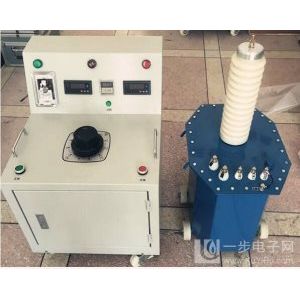


Compact and Lightweight Instruments: Portability and On-site Use Advantages
Overview
Compact and lightweight instruments are highly regarded in many application fields due to their portability. These instruments are not only easy to carry but also more flexible in actual operation, especially suitable for on-site use, which can greatly improve work efficiency and user experience.
Advantages of Portability
Easy to carry: The compact and lightweight design allows the instrument to be easily placed in a backpack or suitcase, making it convenient to carry around.
Reduced burden: It reduces the burden on the operator, especially important in field work that requires long periods of movement.
Easy to operate: Lightweight instruments are easier to hold and operate, reducing fatigue during operation.
Advantages of On-site Use
Quick deployment: No complex setup process is required, allowing for rapid deployment and immediate work.
Strong adaptability: It can be used in narrow or hard-to-reach spaces, expanding the application range of the instrument.
High flexibility: The position and direction of the instrument can be quickly adjusted according to on-site conditions, adapting to different measurement needs.
Space saving: In limited workspaces, compact instruments occupy less space, improving on-site work efficiency.
Specific Application Cases
Power system maintenance: Compact power quality analyzers can be easily brought to the site for power quality analysis, ensuring the stable operation of the power system.
Construction: Lightweight measuring instruments (such as laser distance meters) are convenient for precise measurements at construction sites.
Environmental monitoring: Portable air quality detectors can be used anytime and anywhere for environmental monitoring, providing timely information on air quality conditions.
Precautions
Protective measures: Although compact, care should still be taken to protect the instrument during transportation to avoid collisions or drops.
Battery life: Compact and lightweight instruments often rely on battery power, so ensure there are sufficient spare batteries or charging devices.
Environmental adaptability: Choose instruments with appropriate protection levels and good weather resistance based on the usage environment.
Conclusion
Compact and lightweight instruments are widely welcomed due to their portability and on-site use advantages. By adopting such instruments, not only can work efficiency be improved, but also the flexibility and convenience of on-site work can be ensured. With technological development, future instruments will become even lighter and more portable, providing users with a better experience.
The above is an overview of the portability and on-site use advantages of compact and lightweight instruments. If you need more detailed information or an introduction to specific applications, please let me know your specific needs.