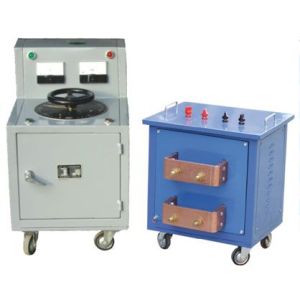
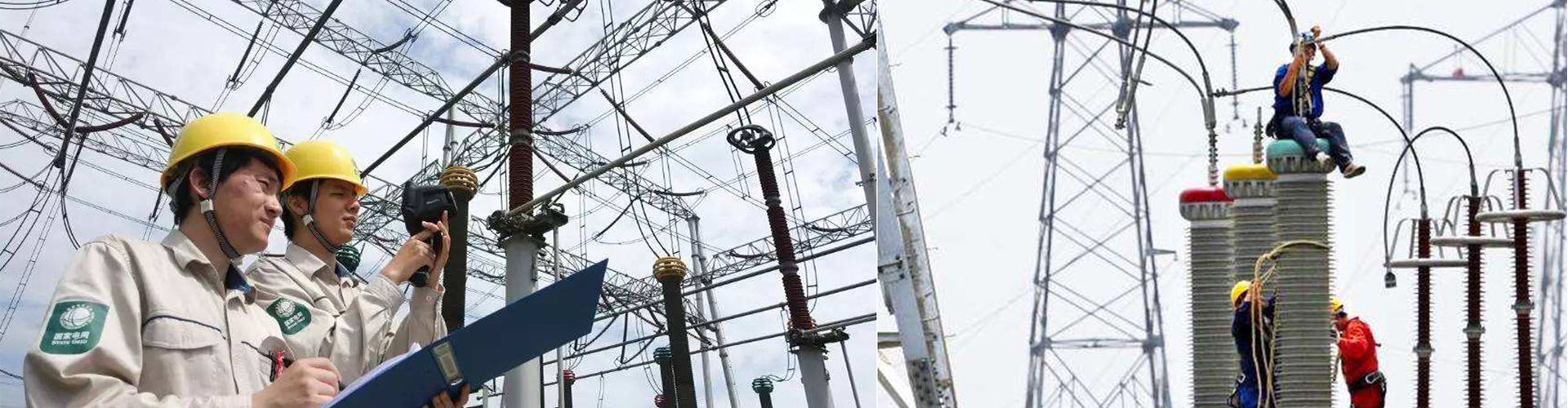
Simulated partial discharge tester is a precision instrument specifically used for detecting partial discharge phenomena in power equipment. Such testers are typically used in laboratory environments or on-site testing to assess the insulation condition of power equipment. Below is an article outline about the simulated partial discharge tester.
Simulated Partial Discharge Tester: Principles, Features, and Applications
Introduction
Partial discharge refers to the phenomenon of local electrical breakdown in insulating materials of power equipment due to uneven electric field distribution and other reasons. The simulated partial discharge tester helps technical personnel evaluate the insulation performance of equipment and predict potential faults by simulating partial discharge phenomena in actual power equipment.
Working Principle
The basic principle of the simulated partial discharge tester is to detect and analyze discharge characteristics by simulating partial discharge conditions in actual power equipment. The tester typically includes the following key components:
Power supply system: Provides a stable test voltage.
Calibration system: Used to simulate partial discharge to calibrate the sensitivity of the detector.
Detection system: Includes signal acquisition, amplification, and display parts, used to capture and analyze pulse signals generated by partial discharge.
Data processing system: Used to process and analyze the collected data.
Main Features
High detection sensitivity: Can detect very weak partial discharge signals.
Wide applicability: Suitable for various types of power equipment, including transformers, cables, motors, etc.
High signal-to-noise ratio: Uses advanced signal processing technology to effectively suppress background noise and improve detection accuracy.
Intuitive display: Uses a large-screen oscilloscope tube or liquid crystal display to show test waveforms clearly for easy observation.
Diverse frequency band combinations: Provides multiple frequency band combinations to adapt to different types of discharge modes.
Usage Steps
Equipment preparation: Ensure the tester is in good condition and complete necessary calibration.
Connect equipment: Correctly connect the tester to the power equipment under test.
Parameter setting: Set appropriate detection parameters according to the characteristics of the equipment under test.
Data acquisition: Start the tester for data acquisition.
Data analysis: Analyze the collected data to identify the type and location of partial discharge.
Report writing: Organize analysis results and write a detailed test report.
Application Fields
Power equipment maintenance: Used to monitor and evaluate the insulation condition of power equipment.
Fault prediction and diagnosis: Helps predict and locate potential insulation faults.
Scientific research and teaching: Used for in-depth study of partial discharge phenomena in scientific research and education fields.
Precautions
Safety measures: Always follow relevant safety regulations when conducting tests.
Environmental factors: Pay attention to the impact of environmental noise and try to conduct tests in a relatively quiet environment.
Regular calibration: Regularly calibrate the tester to ensure measurement accuracy.
Conclusion
The simulated partial discharge tester, with its high sensitivity and multifunctionality, has become an important tool for power equipment maintenance and fault diagnosis. Through regular testing and analysis, sudden failures of power equipment can be effectively prevented, ensuring the stable operation of the power system.