


Observing whether there is current leakage or breakdown is an important step in the insulation boot withstand voltage test, used to evaluate the insulation performance and withstand voltage capability of insulation boots under high voltage environments. Below is a detailed explanation of this process:
Purpose of Observation
Evaluate insulation performance: Ensure that insulation boots can effectively isolate current and protect the wearer's safety.
Verify withstand voltage capability: Evaluate the withstand voltage capability of insulation boots under high voltage environments, ensuring they can be safely used at the expected working voltage.
Test Principle
The insulation boot withstand voltage test typically involves injecting water or other conductive media into the insulation boots, and then applying high voltage between the inside and outside of the boots to evaluate their insulation performance. During the test, if the insulation boots can withstand the specified voltage without breakdown or current leakage, the boots are considered qualified.
Observation Steps
Preparation:
Complete the cleaning and preparation of the insulation boots.
Prepare test equipment, such as a withstand voltage tester, conductive media (usually water), etc.
Water Filling:
Fill the insulation boots with water, ensuring the water level reaches the specified height.
Applying Voltage:
Place the insulation boots into the tester and connect the test circuit.
Gradually increase the voltage to the specified value and maintain it for a period of time (usually 1 minute).
Observing Results:
Current leakage: Check for any current leakage phenomenon, i.e., whether current leaks from the insulation boots.
Breakdown phenomenon: Observe whether the insulation boots experience breakdown, i.e., whether the insulating material ruptures or loses its insulating properties under high voltage.
Recording Results:
If the insulation boots do not show breakdown or current leakage within the specified time, the test is considered qualified.
If current leakage or breakdown occurs, the insulation boots are considered unqualified.
Technical Specifications
Voltage level: Depending on the type and use of the insulation boots, the withstand voltage test voltage level typically ranges from a few kilovolts to over ten kilovolts.
Duration: Generally, the time for applying high voltage is 1 minute.
Leakage current: The maximum allowable leakage current is specified, usually not exceeding a certain limit.
Precautions
Environmental conditions: Ensure the test is conducted under suitable temperature and humidity conditions.
Periodic testing: Insulation boots should undergo withstand voltage tests regularly to ensure they continue to meet safety standards.
Maintenance: Regularly inspect the condition of insulation boots to ensure they are not damaged or aged.
Example
Suppose an electrician needs to perform a withstand voltage test on his insulation boots to ensure their safety in high voltage environments. Follow the above steps for the test, for example, after filling the insulation boots with water, use a withstand voltage tester to apply a voltage of 10kV and maintain it for 1 minute. During this period, the observer needs to carefully observe whether there is any current leakage or breakdown phenomenon. If the insulation boots do not show any current leakage or breakdown during the test, the boots are considered qualified and can be used safely.
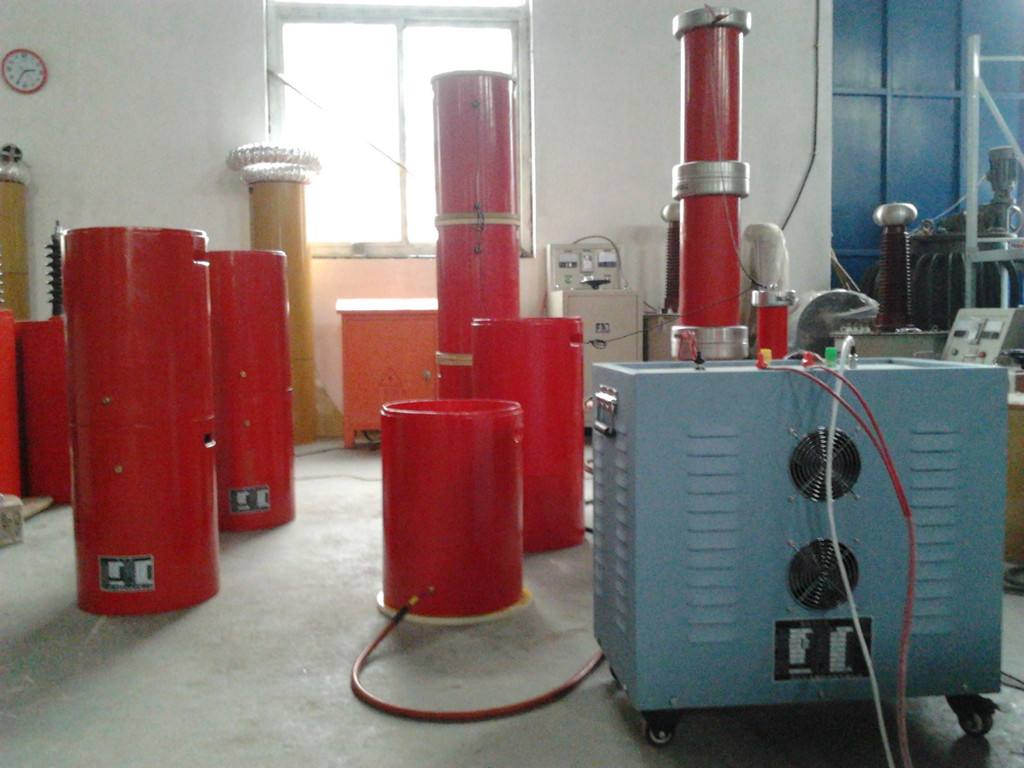
If you need more information about insulation boot withstand voltage tests or have specific product requirements, please feel free to let me know.