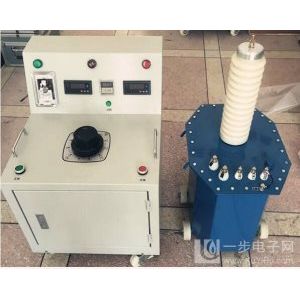
mainly used to generate AC voltage at three times the grid frequency in electrical tests. This device is often used to test the insulation performance of power transformers, instrument transformers, and other equipment under high-frequency conditions. The triple frequency generator can produce voltages at 150Hz or higher frequencies, which is very important for detecting the working condition of high-voltage equipment at specific frequencies. Below is an outline of an article about the triple frequency generator device, aimed at helping readers understand its working principle, application scope, and development trends.
Working Principle of Triple Frequency Generator Device
The basic working principle of the triple frequency generator is to use power electronics technology to convert 50Hz or 60Hz power frequency AC into high-frequency AC at 150Hz (for 50Hz grids) or 180Hz (for 60Hz grids). This is usually achieved through the following methods:
Inverter technology: Use an inverter to convert DC power into AC at the required frequency.
Frequency modulation technology: Obtain the target frequency output indirectly by changing the power supply frequency.
Harmonic superposition: Use specific circuit designs to superimpose multiple signals of different frequencies to form the required high-frequency signal.
Application Scope
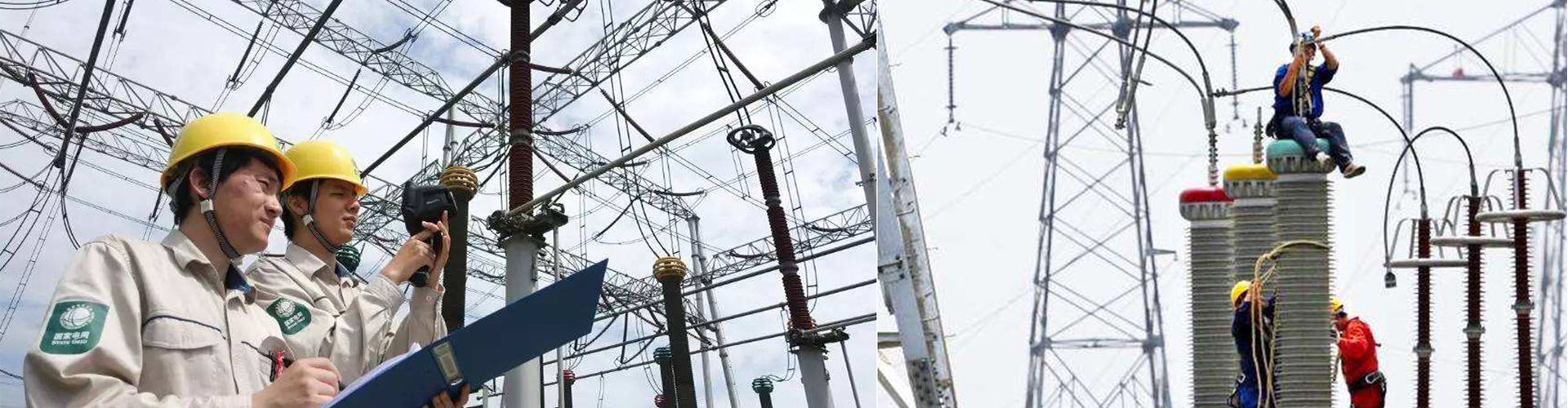
Triple frequency generator devices are mainly used in the testing and maintenance fields of power systems, especially in the following situations:
Transformer testing: Conduct induced withstand voltage tests on power transformers to evaluate their insulation strength under high-frequency conditions.
Instrument transformer calibration: Used for calibrating voltage transformers and current transformers to ensure their accuracy and reliability at different frequencies.
Cable testing: During cable laying or maintenance, perform high-frequency withstand voltage tests on cables to check the quality of their insulation layers.
Advantages and Features
High efficiency: Compared to traditional power frequency withstand voltage tests, the triple frequency generator can complete tests faster, saving time.
Portability: Modern triple frequency generators are compact and lightweight, making them easy to carry to field operations.
Precision: Using advanced control technology, it can precisely adjust output voltage and frequency to meet high-standard testing requirements.
Development Trends
With the continuous advancement of power electronics technology, triple frequency generators are also constantly developing and improving. Future development trends mainly include:
Intelligence: Integrate more intelligent control functions, such as automatic testing, data recording and analysis, etc.
High efficiency and energy saving: Adopt new semiconductor devices such as SiC, GaN, etc., to improve conversion efficiency and reduce energy consumption.
Multi-functional integration: A single device may have more functions, such as supporting tests at multiple frequencies simultaneously, adapting to a wider range of application scenarios.
Conclusion
Triple frequency generator devices play an important role in the testing and maintenance of power equipment. They not only improve the efficiency and accuracy of tests but also promote the safe and stable operation of power systems. With technological progress, future triple frequency generators will be more intelligent, efficient, and easier to use, providing strong support for the sustainable development of the power industry.
When writing an article about triple frequency generator devices, you can delve into specific application scenarios, technical implementation details, and how to choose appropriate equipment configurations based on different testing needs. At the same time, you can also share some practical cases to demonstrate the performance and effectiveness of triple frequency generators in actual operations.