

It is used to verify whether the insulation performance of insulation boots under high voltage conditions meets safety standards, ensuring that they can effectively protect workers from electric shock during power operations. Below is an outline of an article about insulation boot withstand voltage testing:
Overview of Insulation Boot Withstand Voltage Test
1. Background and Significance
In the power industry, insulation boots are one of the essential safety protective equipment for electricians. They are designed to provide reliable electrical insulation protection for workers in high-voltage environments. However, over time and with increased frequency of use, the insulation performance of insulation boots may decline due to wear or other reasons. Therefore, regular withstand voltage testing is very necessary.
2. Test Principle
The insulation boot withstand voltage test is usually conducted in a water-filled container. During the test, the insulation boots are completely immersed in water, and then a certain voltage is applied for a period of time (usually 1 minute). The purpose of the test is to detect any leakage current in the insulation boots, that is, to check whether the insulation boots can maintain good insulation performance under high voltage.
3. Standards and Specifications
Different countries have their own standards and specifications for the withstand voltage testing of insulation boots. In China, relevant standards include GB/T 17651 "Insulating Gloves for Live Working", GB/T 12086 "General Technical Conditions for Electric Insulating Shoes (Boots)", etc. These standards specify the specific requirements of the test, such as the magnitude of the test voltage, duration, test methods, etc.
4. Test Steps
Preparation stage: Select appropriate test equipment and prepare the insulation boots.
Immersion: Completely immerse the insulation boots in a test tank filled with water.
Applying voltage: Apply the specified voltage to the insulation boots through the test device.
Observation: Observe whether there is any current leakage or arcing phenomenon in the insulation boots during the test.
Recording results: After the test, record the test results and judge whether the insulation boots are qualified based on them.
5. Precautions
Safety first: During the test, safety regulations must be strictly followed to ensure the safety of test personnel.
Test frequency: Depending on the frequency of use and working environment, insulation boots need to undergo withstand voltage testing regularly, generally recommended at least once a year.
Test conditions: Ensure that the test environment meets standard requirements, such as temperature, humidity, etc.
6. Test Equipment
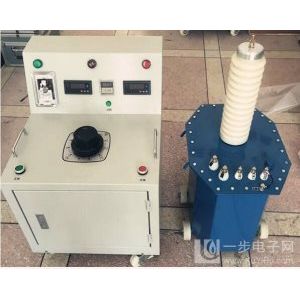
Withstand voltage testing usually requires specialized test equipment, including high-voltage power supplies, test tanks, measuring instruments, etc. These devices need to be calibrated regularly to ensure the accuracy of test results.
7. Result Determination
If the insulation boots do not show any current leakage or arcing phenomenon during the test, the insulation boots are considered to have passed the withstand voltage test. Conversely, they need to be replaced or repaired before testing again.
Conclusion
The insulation boot withstand voltage test is one of the important means to ensure the safety of power workers. By conducting such tests regularly, potential safety hazards in insulation boots can be discovered in a timely manner, thereby ensuring the safety of users' lives. With the development of technology, test methods and equipment are also continuously improving, making the test more efficient and accurate.
I hope this outline can provide you with basic knowledge about insulation boot withstand voltage testing. If you need more detailed test guidelines or specific operating steps, please refer to relevant technical standards or consult professional equipment suppliers.