Of course. Below is an outline of an article about DC high voltage generators, which will cover the basic principles, structure, usage methods, and application fields of DC high voltage generators.
DC High Voltage Generator: Principle, Structure and Application
Introduction
A DC high voltage generator is a device capable of producing high voltage direct current, widely used in various tests and experiments in power systems, such as DC withstand voltage tests and leakage current measurements for high-voltage electrical equipment like power cables, transformers, and generators.
Working Principle
The basic working principle of a DC high voltage generator is to utilize the electromagnetic oscillation of a transducer and power supply to generate high-frequency pulsating DC. Its main components include a high-frequency signal source (typically silicon rectifier devices), an excitation transformer, and filter circuits. When a 50Hz or 60Hz sine wave is converted into intermediate frequency (300~600Hz) or various required frequencies of DC voltage through frequency multiplication, frequency division, or closing control methods, the desired various DC high voltages can be conveniently obtained.
Structural Composition
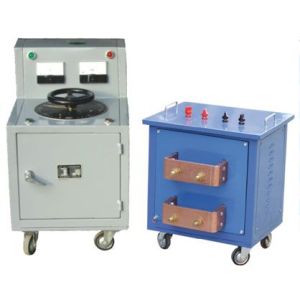
A DC high voltage generator mainly consists of the following parts:
Control box: used to control and adjust the output voltage and current magnitude.
Voltage doubling device: usually composed of capacitors, transformers, and other components, capable of voltage regulation and power amplification.
High voltage power supply: provides necessary high voltage power support for the equipment.
High voltage measuring instruments: reflect the performance and status of the DC high voltage generator by measuring parameters such as voltage, current, and power.
Usage Method
Instrument wiring:
Check the integrity of the equipment, ensuring that cables have no open circuits or short circuits and the equipment is not damaged.
Correctly connect the power cord, cable, and grounding wire, ensuring that the grounding wire is separately connected to the ground terminal of the test object.
Confirm that the power switch is in the off position and the voltage regulator potentiometer is at zero.
No-load voltage boost verification:
Set the overvoltage protection setpoint, typically 1.1 times the test voltage.
Turn on the power, perform a no-load voltage boost, and verify that the overvoltage protection setting is sensitive.
Load test:
Connect the test object, turn on the power switch, and the power indicator light will illuminate.
Slowly adjust the high voltage output knob to increase the voltage until reaching the required test voltage value.
Observe the readings of the voltmeter and ammeter, and record relevant data.
Safe operation:
Strictly follow the operating procedures to ensure the safety of operators and equipment.
In case of abnormal conditions such as overvoltage or overcurrent, the equipment should automatically cut off the high voltage output.
After the test is completed, return the high voltage output adjustment knob to zero, ensure safe discharge before turning off the power.
Application Fields
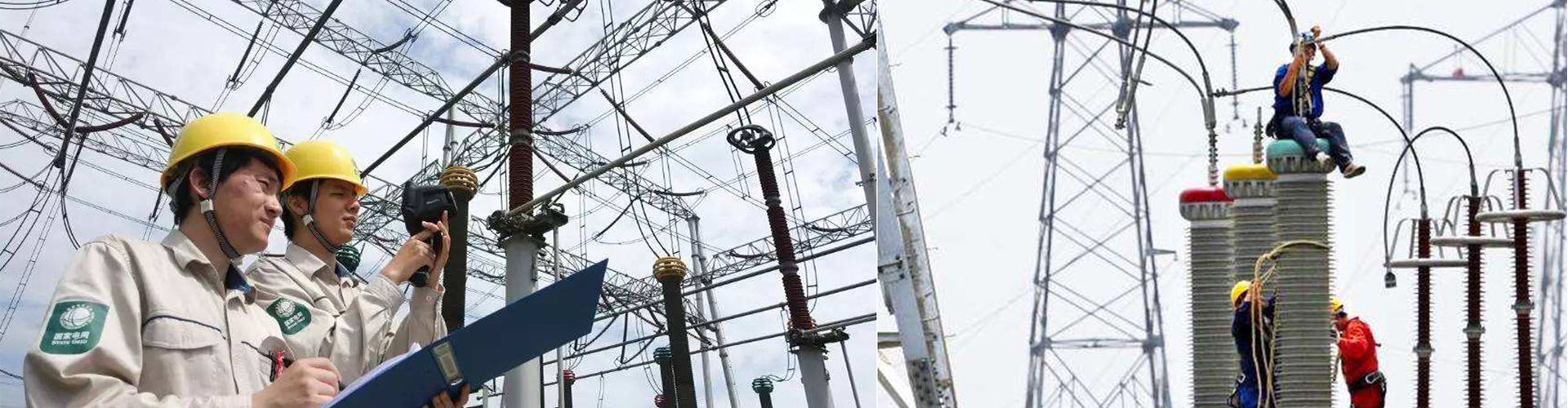
DC high voltage generators are mainly used in various tests and experiments in power systems, including but not limited to:
Zinc oxide arresters: measuring leakage current values.
Power cables: conducting DC withstand voltage tests.
Transformers: measuring insulation resistance and leakage current.
Generators: evaluating insulation performance.
Conclusion
As an important testing device, the DC high voltage generator plays an irreplaceable role in power systems. By understanding its working principle, structural composition, and correct usage methods, various high-voltage electrical equipment tests and maintenance can be effectively carried out, ensuring the safe and stable operation of the power system.
If you need more detailed information or content on other aspects, please feel free to let me know.